
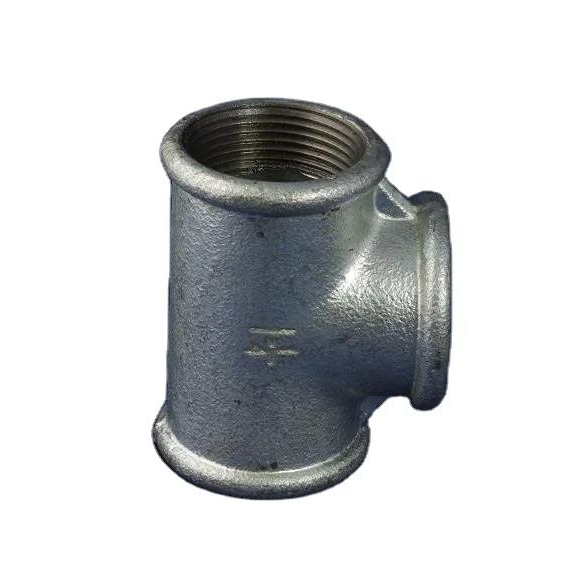
Cast iron pipes have been a cornerstone in plumbing and infrastructure systems for centuries due to their durability, strength, and resistance to corrosion. One crucial aspect of working with cast iron pipes is the selection of appropriate joint types, as these significantly impact the integrity, leak resistance, and longevity of piping systems. Today, we delve into the various cast iron pipe joint types widely used in the industry, as well as introduce a prominent cast iron pipe fittings manufacturer known for its extensive production capacity and commitment to quality.
### Overview of Cast Iron Pipe Joint Types
Cast iron pipe joints serve the essential function of connecting lengths of pipe and fittings securely while maintaining system integrity under pressure and environmental stresses. The choice of joint type depends on the application, installation requirements, and whether the system handles potable water, drainage, or industrial fluids.
Here are some of the most common cast iron pipe joint types:
**1. Hub and Spigot Joint**
The hub and spigot joint is one of the oldest and most traditional joining methods for cast iron pipes. The ‘spigot,’ or plain end of the pipe, fits into the ‘hub,’ or enlarged end of the adjoining pipe segment. The joint is then sealed with a mixture of lead and oakum (a fibrous material), ensuring a watertight fit. This type of joint allows for slight angular flexibility and is typically used in underground drainage and sewer systems.
**2. Mechanical Joint**
Mechanical joints are increasingly popular due to their ease of installation and strong sealing capabilities. These joints involve a rubber gasket placed between the pipe ends within an iron gland. Bolts tighten the gland and compress the gasket, creating a leak-tight seal without the need for hot work like lead pouring. Mechanical joints are widely favored in water distribution and municipal infrastructure projects.
**3. Push-On Joint**
Push-on joints provide a fast and reliable connection by using a pre-installed rubber gasket on the pipe’s bell or socket end. The spigot end of the adjoining pipe is simply pushed into the bell, compressing the gasket and forming a secure, flexible, and watertight seal. This method eliminates the need for additional tools or sealants and is suitable for both pressure and non-pressure applications.
**4. Flanged Joint**
Flanged joints utilize flanges welded or cast onto the pipe ends, which are then bolted together with a gasket in between to ensure sealing. These joints provide excellent accessibility for maintenance or disassembly and are used in industrial pipelines and systems that require regular inspection. While more expensive and requiring exact alignment, flanged joints offer high strength and ease of repair.
**5. Threaded Joint**
Though less common for large cast iron pipes due to installation complexity and joint rigidity, threaded joints involve screwing pipe ends together. This type of joint is normally reserved for small diameter pipes or special fittings. Proper application prevents leaks caused by thread misalignment.
Each joint type offers different benefits, installation costs, and performance characteristics. Choosing the appropriate joint depends on the pipeline’s purpose, environmental conditions, and maintenance considerations.
---
### Company Spotlight: A Leader in Cast Iron Pipe Fittings Manufacturing
Behind every reliable piping system is a dependable manufacturer supplying quality components to meet diverse engineering demands. One such organization making significant strides is **Hebei Jinmai Casting Co., Ltd.**, operating under the name **Luquan Zhandao Qiaoxi Malleable Iron Pipe Fittings Co., Ltd.** This established business is recognized as a powerhouse in the cast iron pipe fittings sector.
With a workforce exceeding 1,000 skilled employees, the company demonstrates a robust production capacity capable of meeting large-scale project requirements and tight delivery schedules. The company’s size not only supports high-volume manufacturing but also ensures stringent quality controls at every stage of the production process.
### Production Excellence and Innovation
Hebei Jinmai Casting consistently invests in advanced foundry technologies and modern machining equipment, enabling precise fabrication of malleable iron pipe fittings that comply with international standards. Their catalog includes comprehensive ranges of fittings suitable for water distribution, drainage, gas pipelines, and industrial applications.
By integrating research and development efforts, the company remains at the forefront of innovation in joint design and material improvement. This commitment helps clients achieve safer, more durable, and cost-effective solutions for their piping infrastructure needs.
### Commitment to Customer Service and Sustainability
Beyond technical excellence, Hebei Jinmai Casting emphasizes delivering exceptional customer service by tailoring solutions to client specifications and providing timely project support. Their global customer base benefits from reliable product availability and technical consultation throughout the lifecycle of installations.
Moreover, the company demonstrates environmental stewardship by adopting sustainable manufacturing practices, recycling scrap material, and minimizing waste. This responsible approach ensures that industrial growth harmonizes with ecological preservation.
---
### Conclusion
Understanding the types of cast iron pipe joints is essential for engineers, contractors, and maintenance teams striving to build reliable piping systems. From traditional hub and spigot joints to innovative push-on and mechanical joints, each type meets distinct operational needs and installation preferences.
Complementing this technical knowledge is the role of trusted manufacturing partners like Hebei Jinmai Casting Co., Ltd. Through their large-scale production capabilities, commitment to quality, and innovation leadership, they provide critical components that uphold the performance and longevity of piping infrastructure worldwide.
As industries continue to evolve and infrastructure demands increase, the importance of selecting the right pipe joint type and sourcing components from reputable manufacturers cannot be overstated—both factors contribute decisively to the success and sustainability of piping projects.
---
**For more information on cast iron pipe joint types, production capabilities, or to inquire about specific product offerings, interested parties are encouraged to contact industry experts and suppliers directly to ensure optimal piping solutions tailored to their unique project needs.**